A retailer has 20,000 products in its catalog. It is raining in Lyon and sunny in Marseille. One shopper has already seen this campaign four times. Another is seeing it for the first time. No creative team, however large, is building a separate hand-made ad for every combination of those facts. And yet the ad that each of those people sees can genuinely be different, assembled automatically, in the time it takes the page to load.
That is dynamic creative optimization, usually shortened to DCO: a system that builds the ad for each impression instead of running the same fixed creative for everyone.
How does DCO actually build an ad?
Every DCO system works roughly the same way underneath, in three layers.
The creative template is the one thing a human actually designs: a modular ad with defined variable zones, a headline slot, a product image slot, a background, a call-to-action button, legal text. The asset library fills each of those zones with options, five headline variants, say, or twenty product images pulled straight from a live product feed. The decision engine sits on top and, at the exact moment an ad is about to be served, picks from the library based on whatever signals are available: location, time of day, device, the publisher’s content category, audience segment, weather, even where the viewer sits in a purchase funnel.
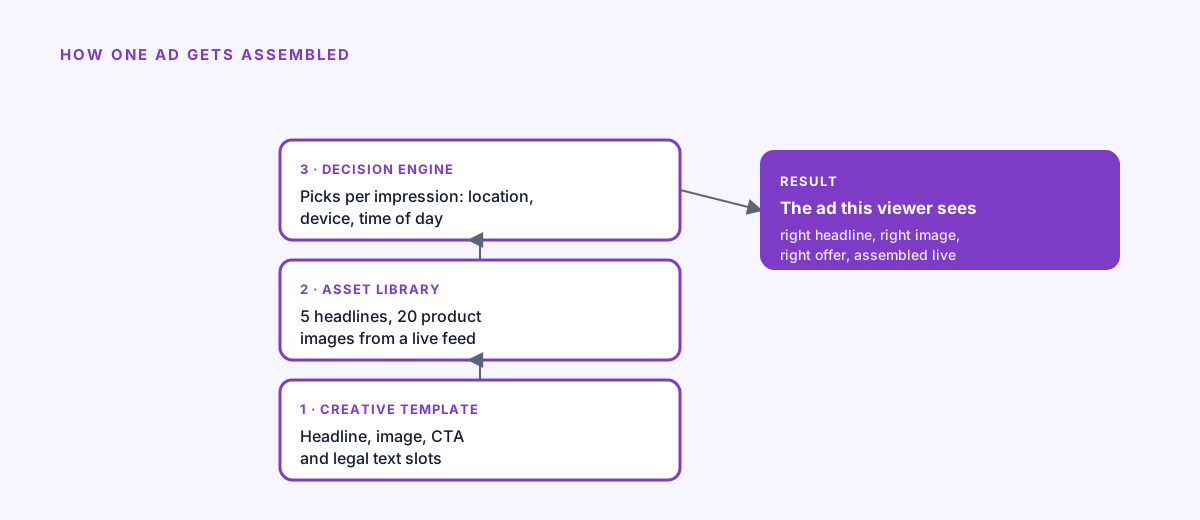
A template with holes in it, a library of things that can fill those holes, and an engine that decides which ones to use, per impression.
Do DCO systems use rules, or a model that learns them?
The simplest version of a decision engine follows rules an advertiser wrote by hand: if the user is in Lyon and it is raining, show the waterproof jacket with the headline “Stay dry today.” Rules like this are completely transparent. Anyone can audit them, and they are trivial to align with brand guidelines, because a human wrote every single one.
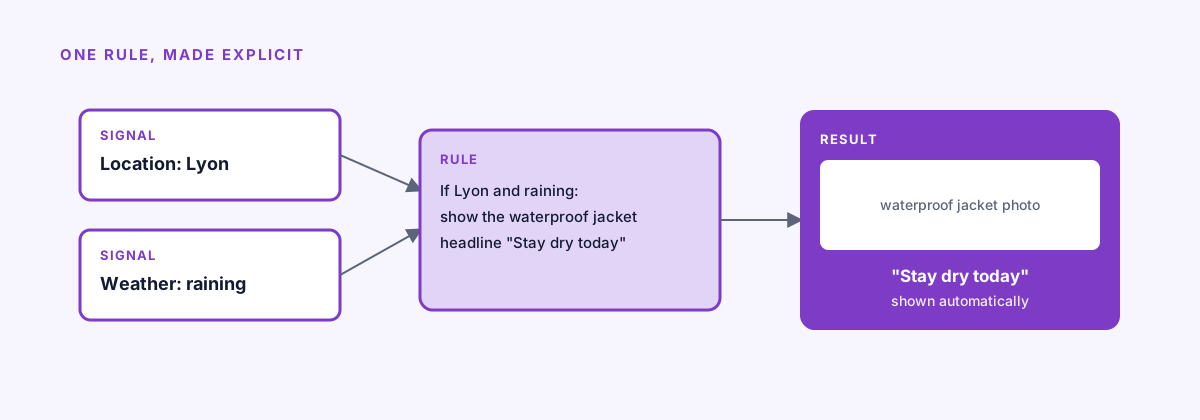
One example rule, made explicit: two signals in, one specific creative out.
The more advanced version hands that job to a model instead. Rather than a human specifying which combination works where, the system tests combinations itself, watches clicks, conversions and viewability, and gradually shifts delivery toward whatever is actually performing, for whichever audience and context it is looking at. This can surface pairings nobody on the creative team would have guessed at, simply because nobody had a reason to try them by hand.
Where does DCO actually earn its keep?
DCO is not a universal upgrade over a single fixed creative. It solves specific problems well.
- Large catalogs. A retailer with thousands of SKUs cannot design one ad per product. DCO pulls images, names, prices and live availability straight from a feed and drops them into the template.
- Geo-personalized messaging. A national brand with a regional store network can reference the nearest location, a local price, a promotion that only runs in that market, the same architecture covered in local advertising at scale.
- Sequential storytelling. The same viewer can be shown a different message depending on how many times they have already seen the campaign, or which stage of the funnel they appear to be in.
- Time-sensitive campaigns. Countdowns, live stock levels, limited-time offers, all of it updates automatically instead of requiring a human to re-traffic the ad every time something changes.
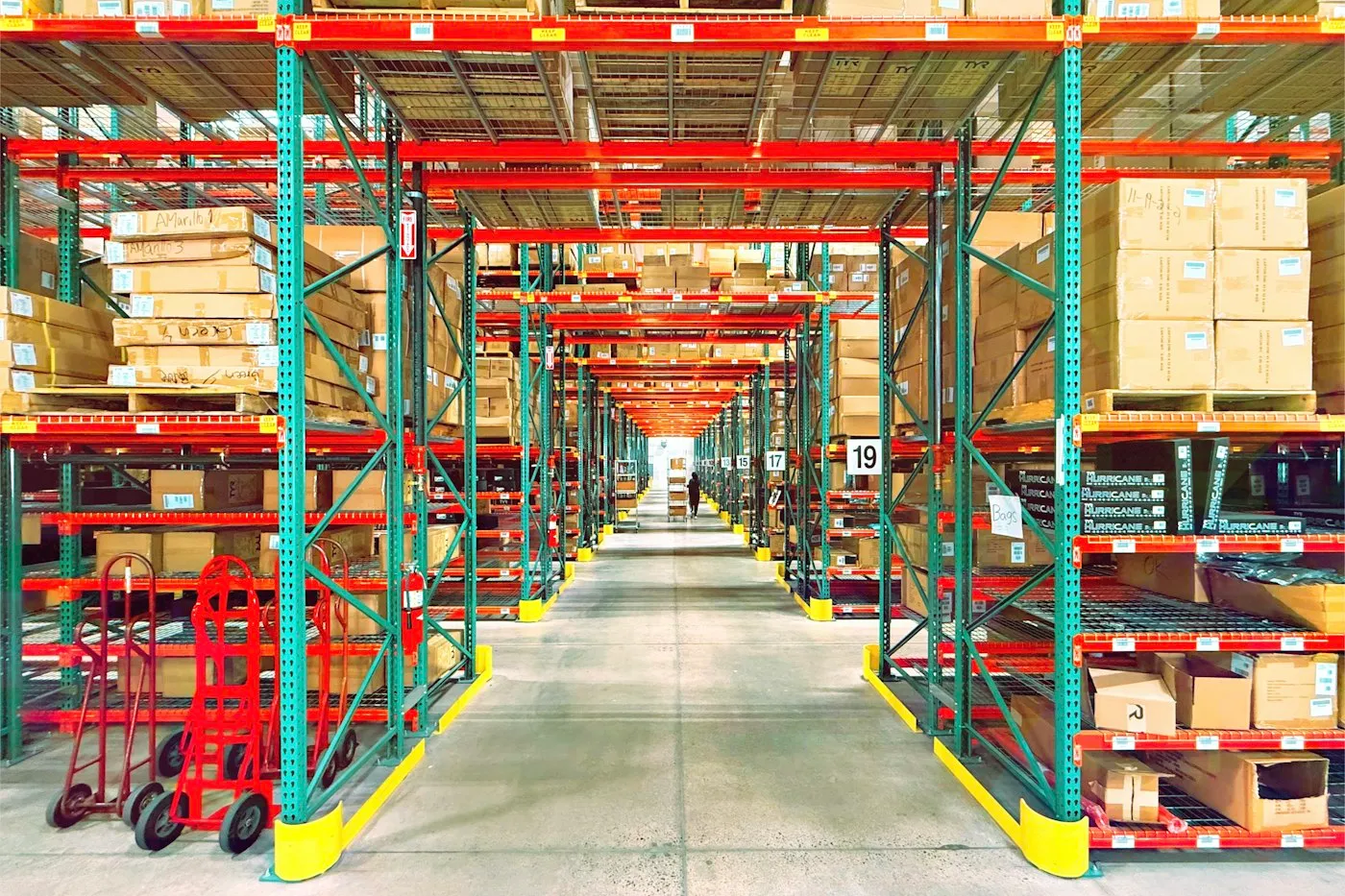
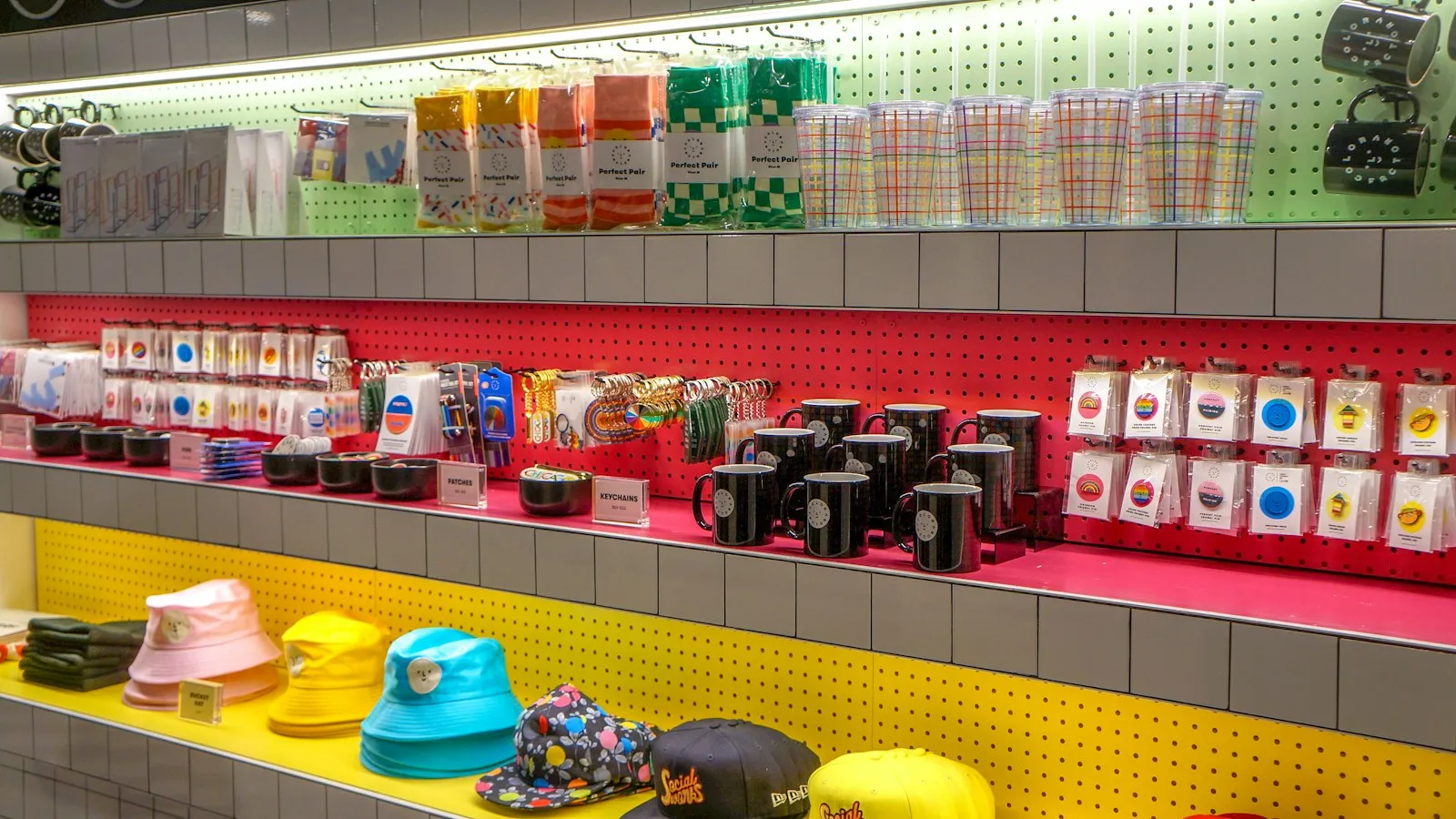
Thousands of SKUs on a shelf is exactly the situation a product feed, not a designer, is built to handle.
What isn’t DCO?
It gets confused with two other things often enough to be worth separating out. It is not A/B testing: an A/B test compares two fixed creatives to find a winner, while DCO assembles a creative per impression, across many dimensions at once, with no single fixed “version B” to compare against. And it does not replace creative strategy: the template and the assets still set the ceiling on how good the result can look. DCO optimizes inside whatever space the creative team actually built, it cannot invent a better idea than the ones available to choose from. It is also not inherently invasive. Fed on contextual or cohort-level signals rather than a detailed individual profile, it can still land on something relevant without needing to know who, specifically, is looking at it.

Someone still designs the template and the rules. The system only handles the assembly, impression by impression.
DCO does not make the creative better. It makes sure the right version of it reaches the right person.
How do you measure DCO honestly?
Because the system is actively steering delivery toward whatever is performing, a straightforward click-through rate blends two different effects together: the quality of the creative itself, and the optimization layered on top of it. Isolating the creative’s real contribution usually takes a holdout test, comparing DCO-optimized delivery against a static baseline that never got to adapt. Reporting that breaks results down by creative dimension, which headlines, which images, which calls-to-action, feeds that insight back into whatever gets designed next.
FAQ
What’s the difference between DCO and personalization?
DCO is one mechanism for personalization: it assembles an ad from a template and an asset library using rules or a model. Personalization is the broader goal, and DCO is one of several ways to reach it.
Does DCO require a lot of creative assets?
It needs enough variation in each variable zone, headlines, images, calls-to-action, to matter, but not a hand-built ad per combination. Many retailers already have this in a live product feed.
Is DCO only for large advertisers with big catalogs?
Large catalogs are where DCO is most obviously useful, but the same mechanics apply to smaller advertisers who want geo-personalized messaging or sequential storytelling without building a separate ad for every variant.
Can DCO work without invasive personal data?
Yes. Fed on contextual or cohort-level signals like location, time of day or weather, DCO can still land on something relevant without needing a detailed individual profile.
How Arago helps
Arago’s Creative studio builds interactive formats, Scratch, Flip 3D, Reveal, Slider, Carousel, that personalize per viewer: the product, the offer and the nearest store can all change automatically, and the same creative stays sharp across every size its format needs, from 600×500 down to 300×250. For a broader look at the rich media spectrum DCO personalizes within, see rich media advertising. There is no designer required, no fee per ad and no limit on variations, and creatives launch directly alongside campaigns in the DSP. Browse what these formats look like in practice in the showcase, or read building playable rich media ads for how one gets built.